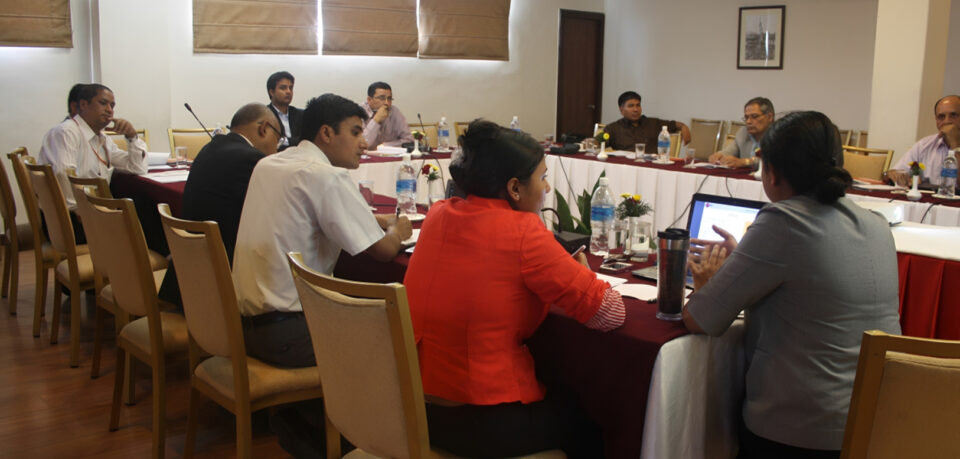
On the 13th of April, 2026, Samriddhi Foundation hosted a meeting with 20 stakeholders from different institutions for us to share our findings on the energy sector, put forth problems faced by the sector and recommend solutions to reach the country’s electrification goals by 2030.
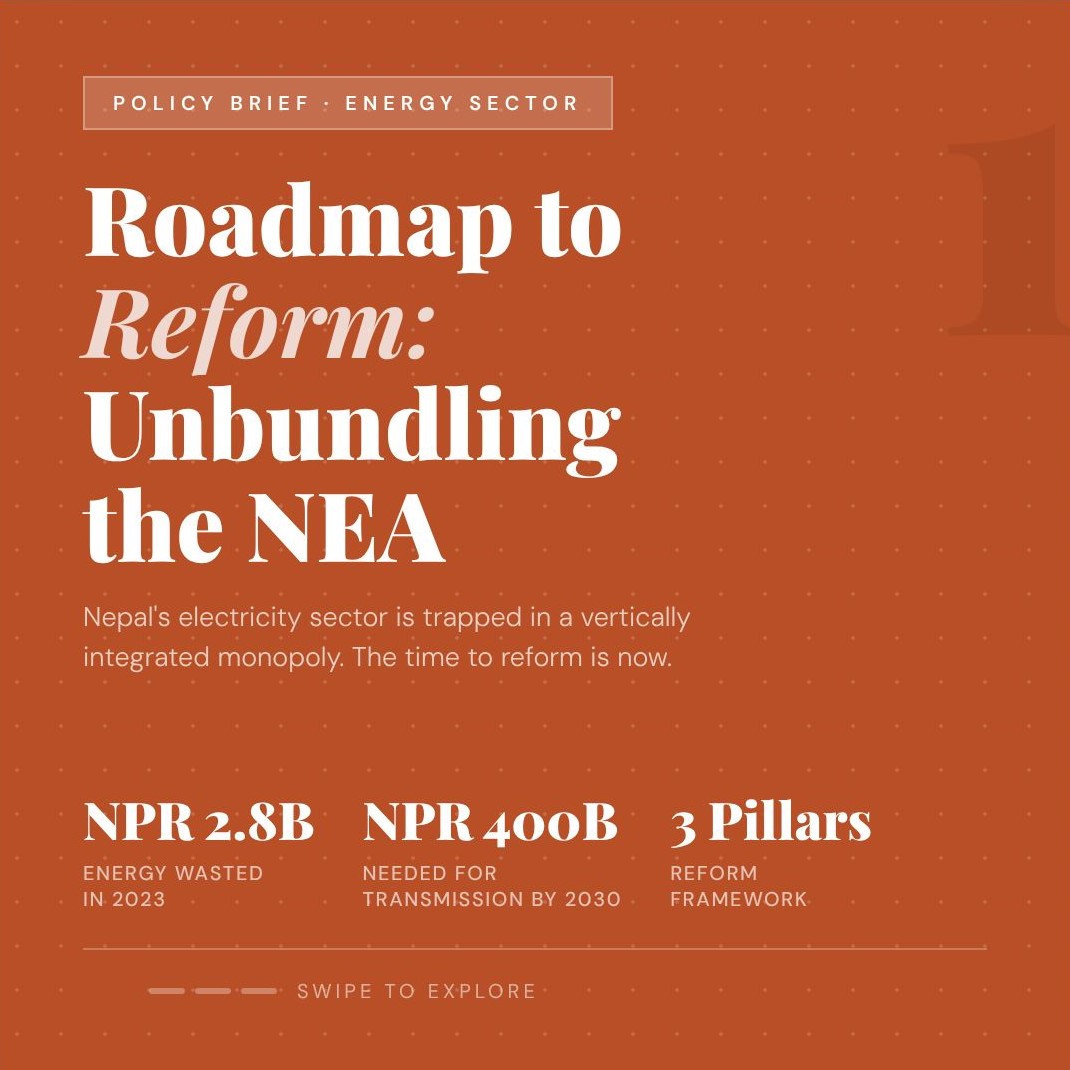
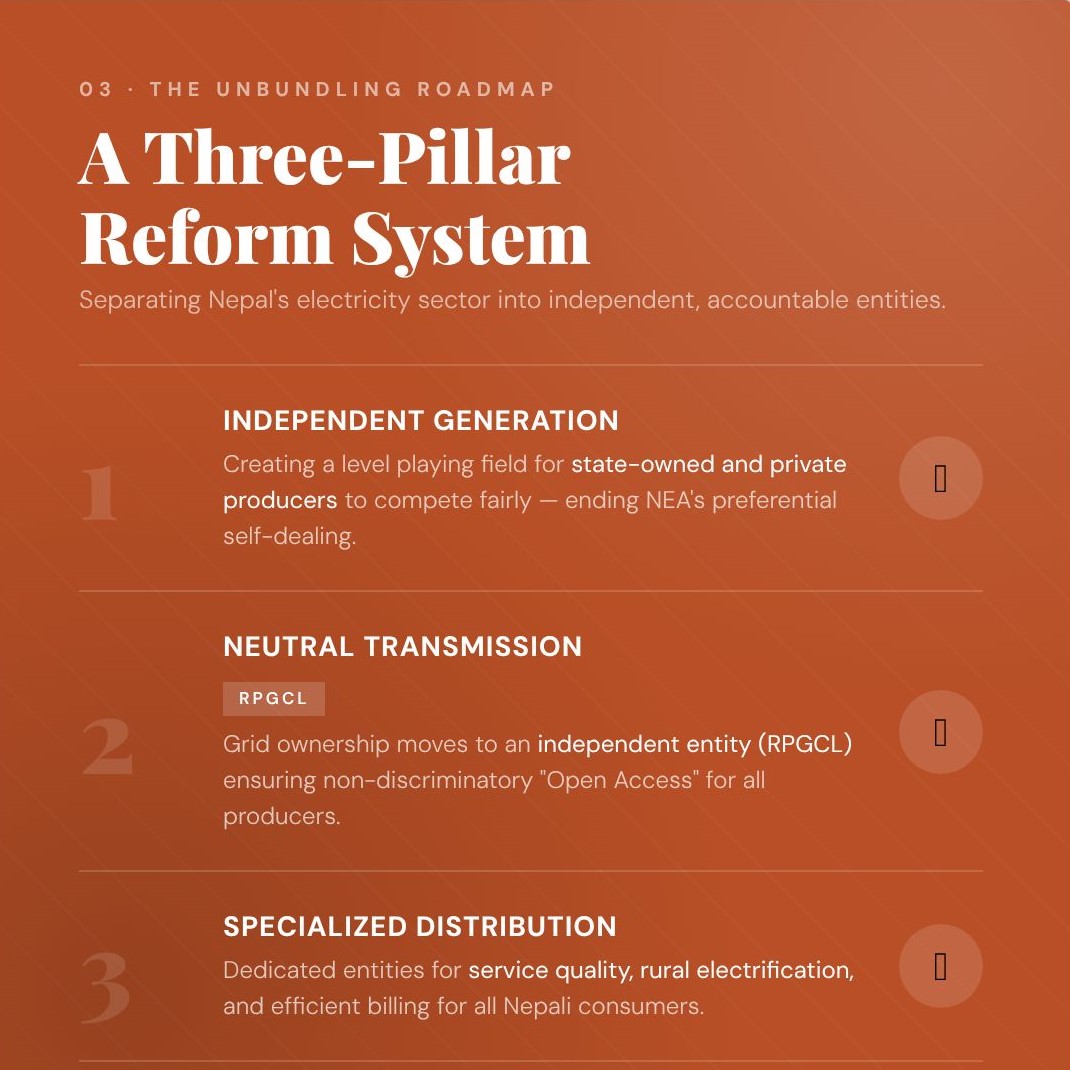
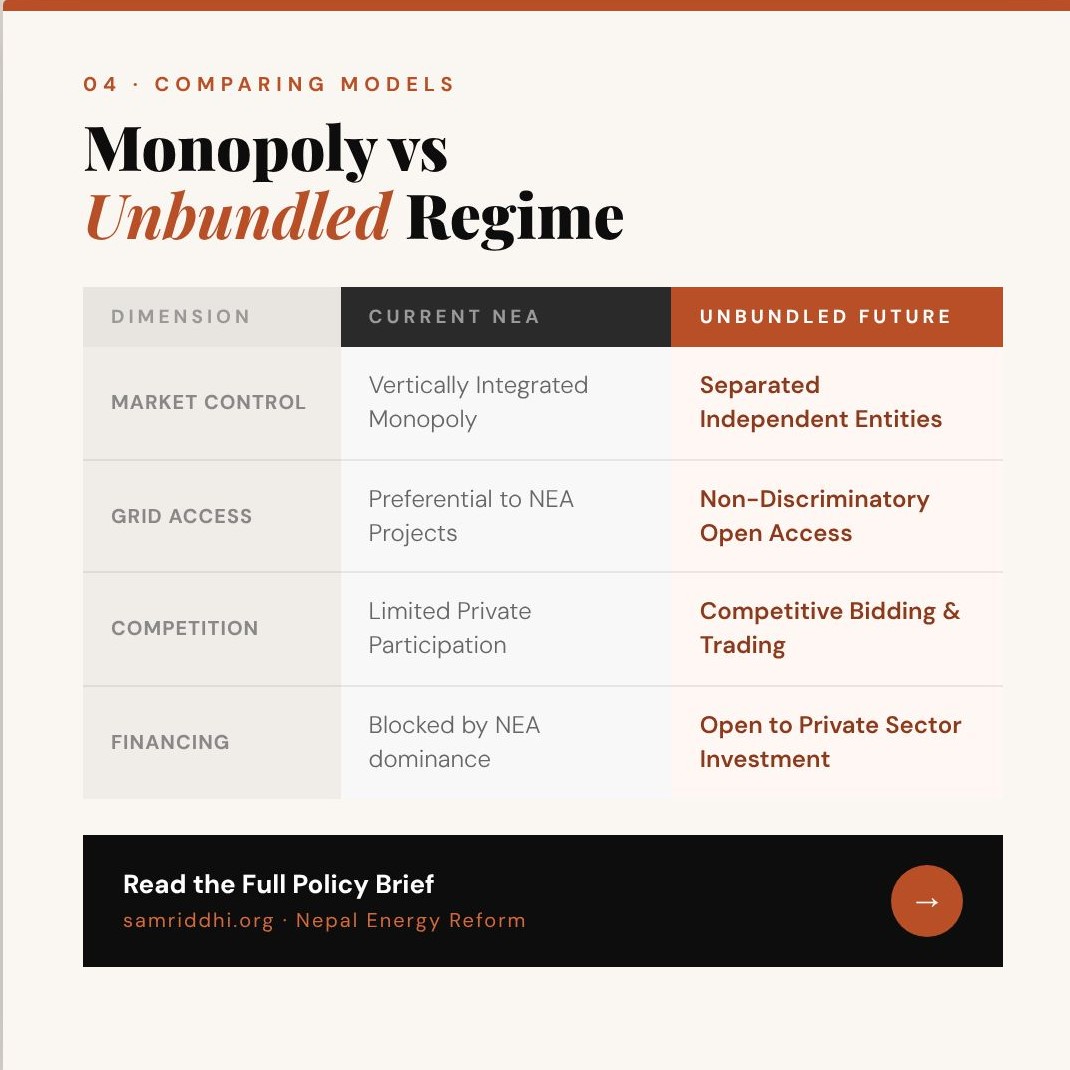
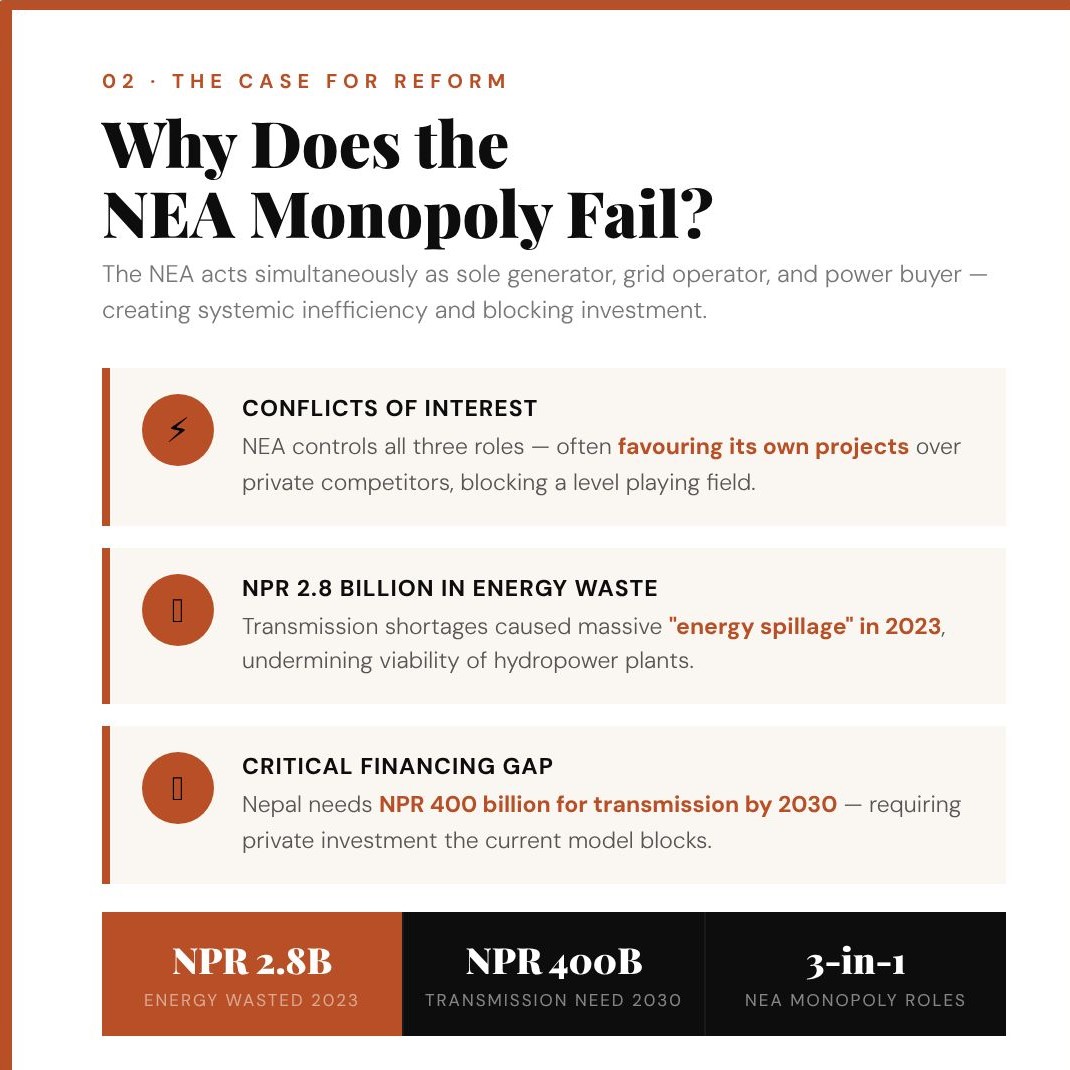
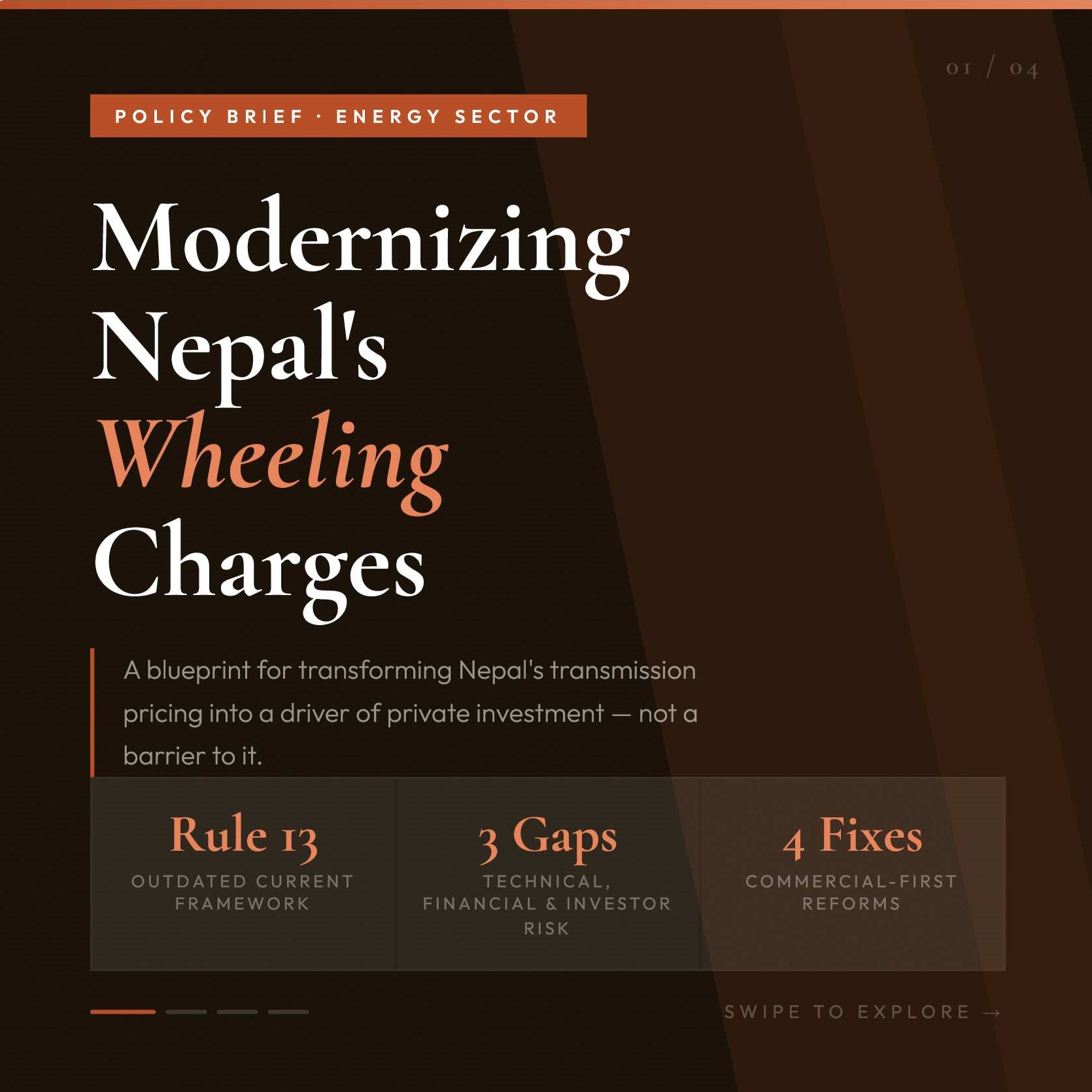
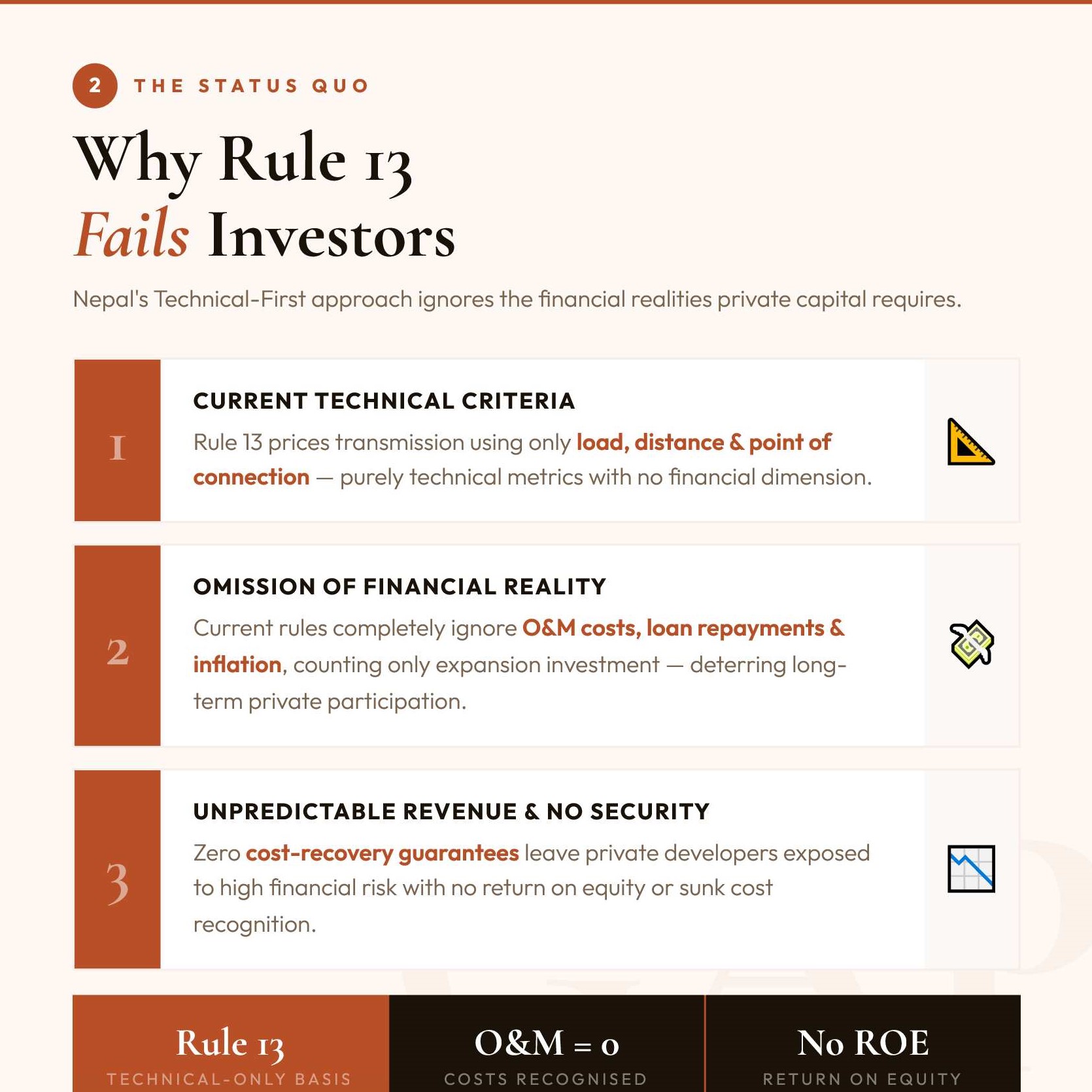
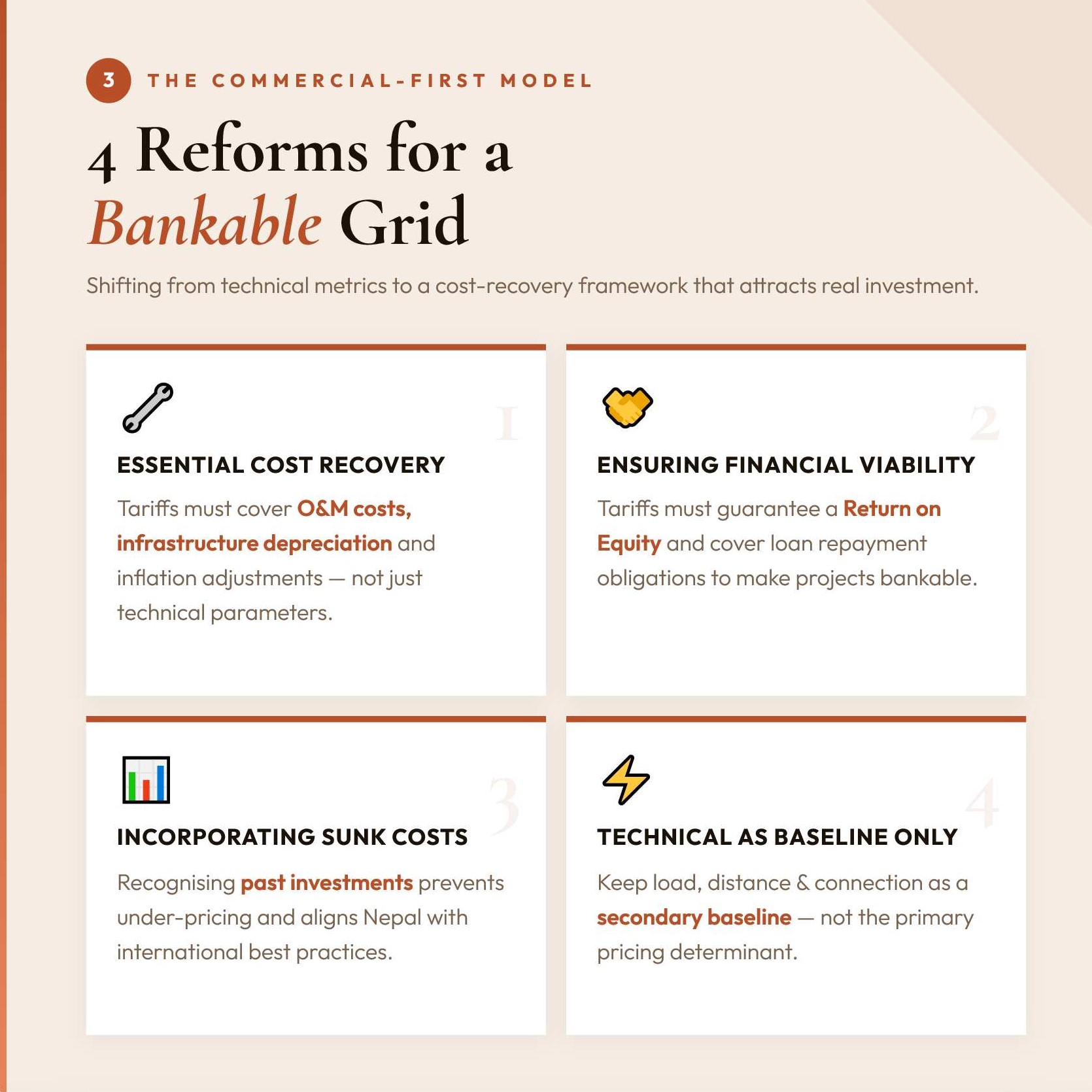
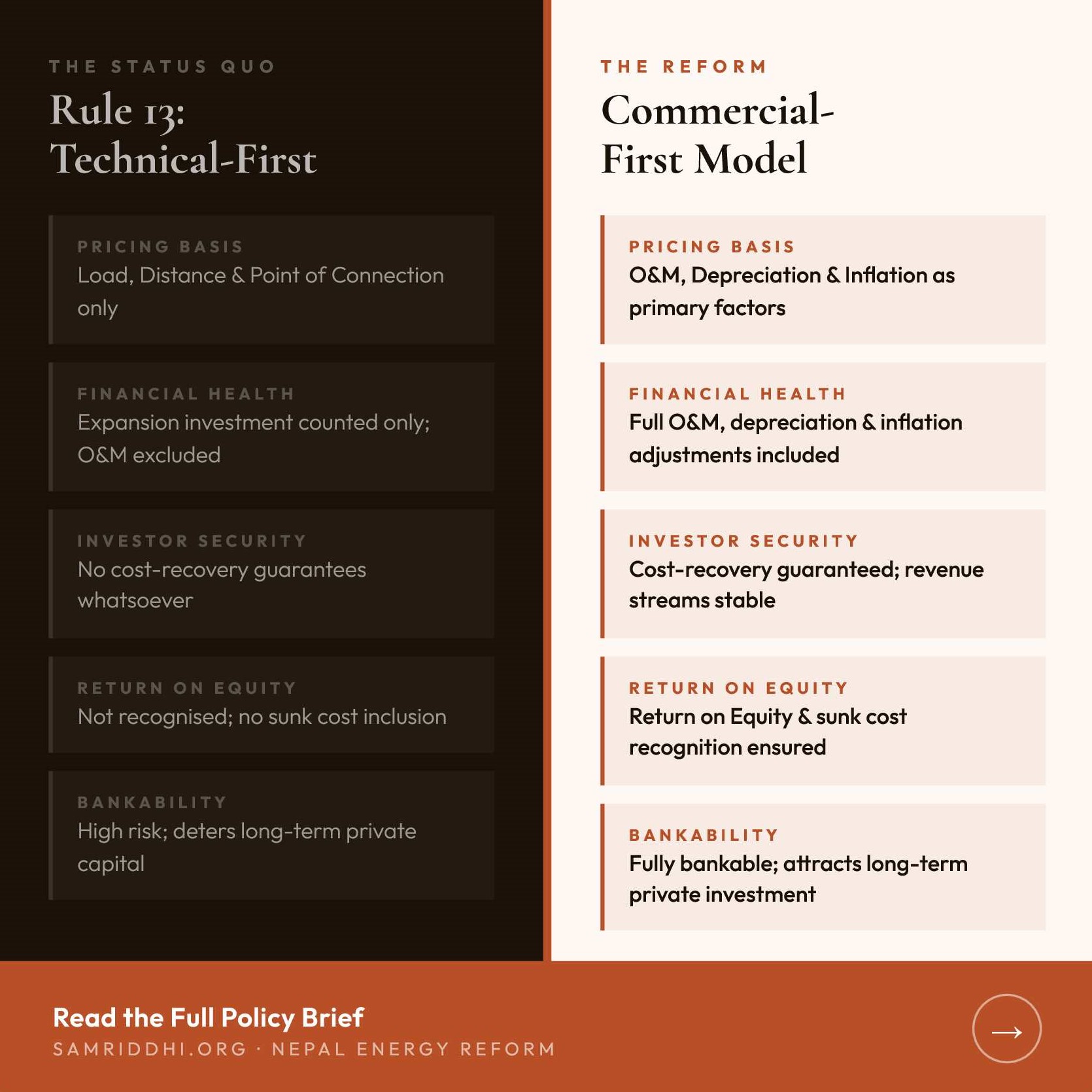
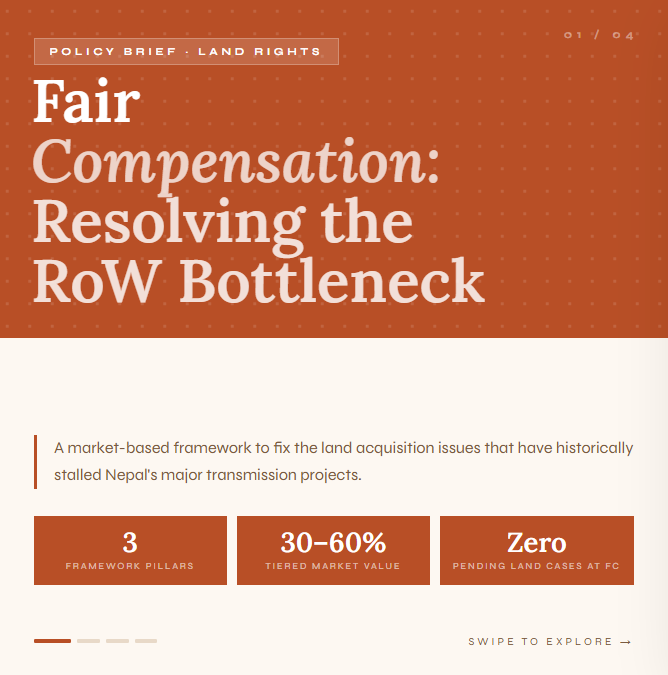
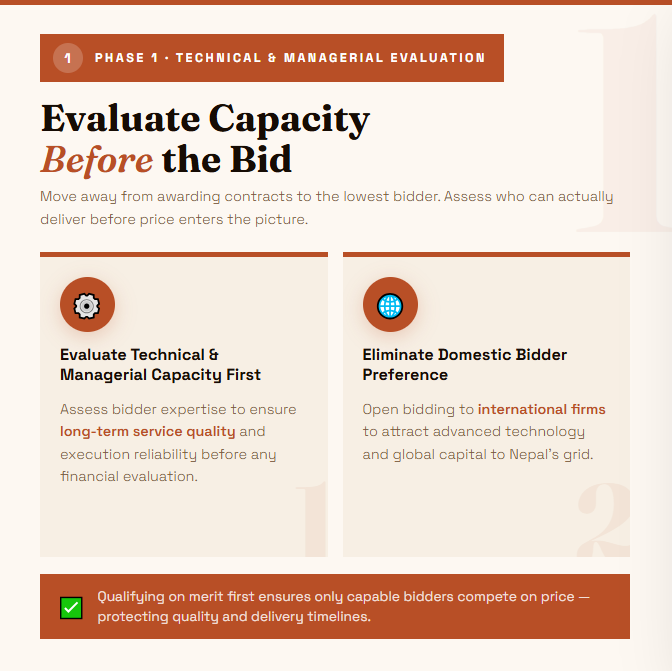
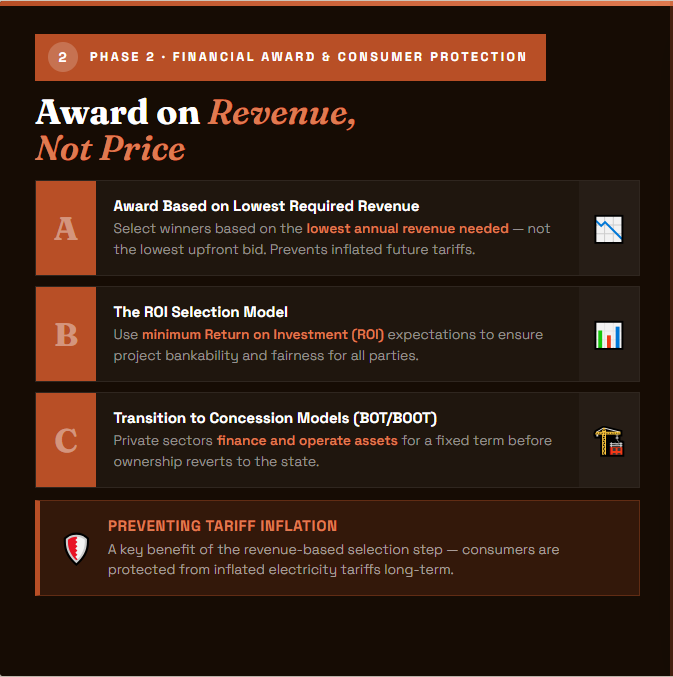
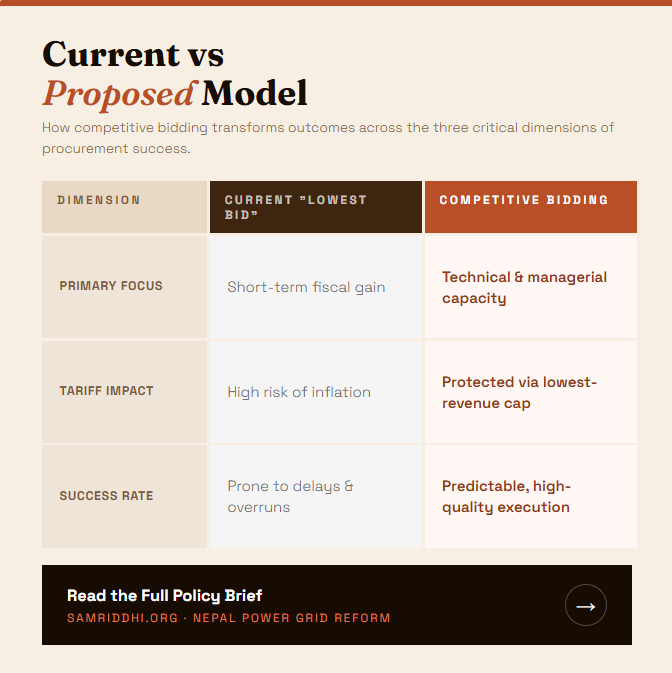
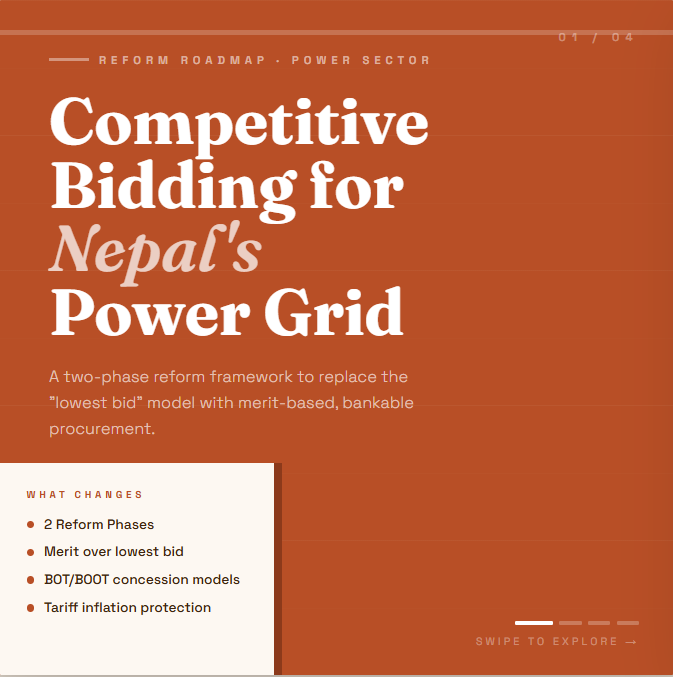
The meeting began with a presentation making a case for private sector participation in the transmission infrastructure of Nepal, highlighting that the grid has become a critical bottleneck unable to keep pace with a tenfold increase in electricity generation since 2000. Drawing on successful international examples from Brazil, Peru, Turkey, and India, the presentation underscored the high cost of inaction, citing that inadequate grid capacity led to NPR 2.8 billion in energy spillage in 2023 alone. To address a “humongous” financing gap of NPR 57 billion annually, which exceeds the NEA’s entire current annual capital expenditure, the study advocated for a pragmatic shift toward concession-based models like Build-Operate-Transfer (BOT) to attract private investment while maintaining long-term state ownership. The session further detailed a technical roadmap for reform, including the unbundling of the Nepal Electricity Authority to eliminate conflicts of interest, establishing predictable and cost-reflective wheeling tariffs that incorporate commercial fundamentals like O&M and ROI, and standardizing competitive bidding based on technical and managerial capacity. Finally, the presentation explained the necessity of guaranteeing legal open access to the grid and implementing a market-based tiered compensation framework for land acquisition to resolve the long-standing Right-of-Way bottlenecks that have historically caused the withdrawal of major development partners
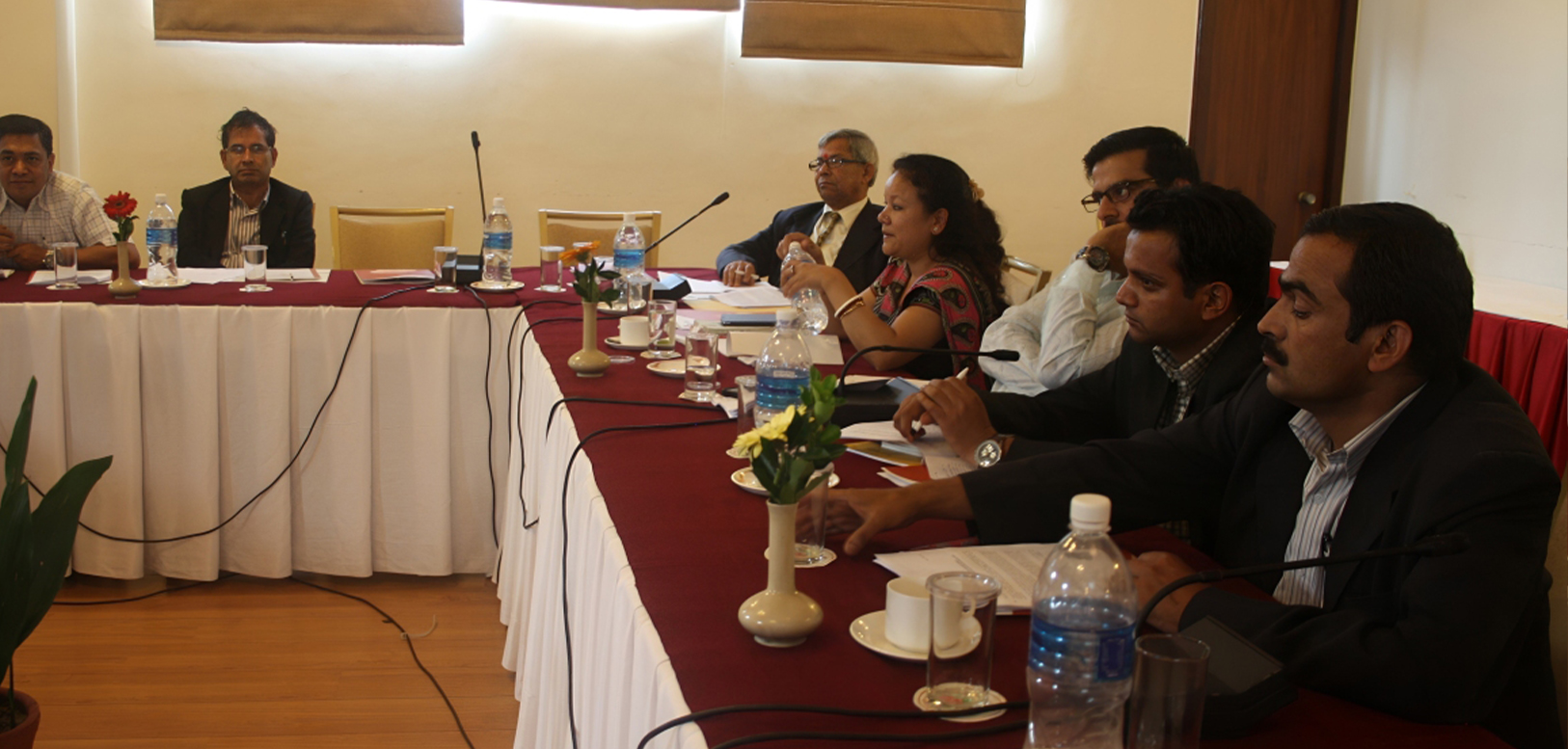
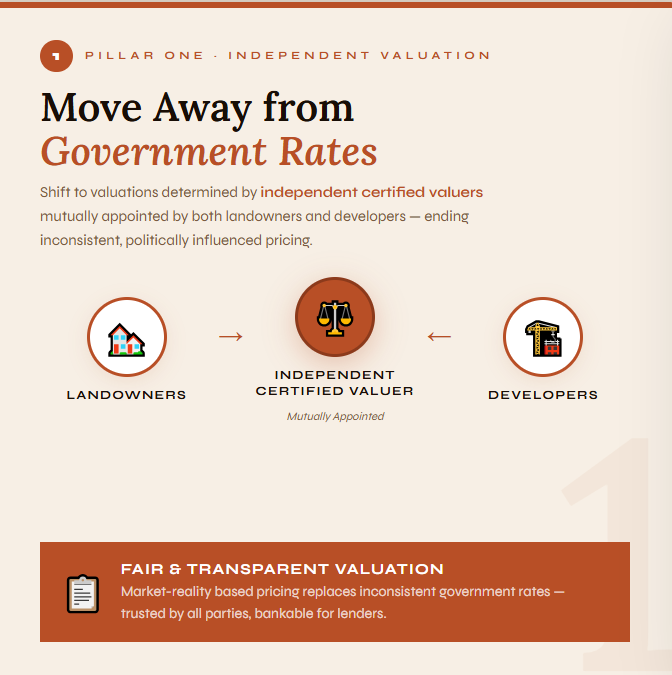
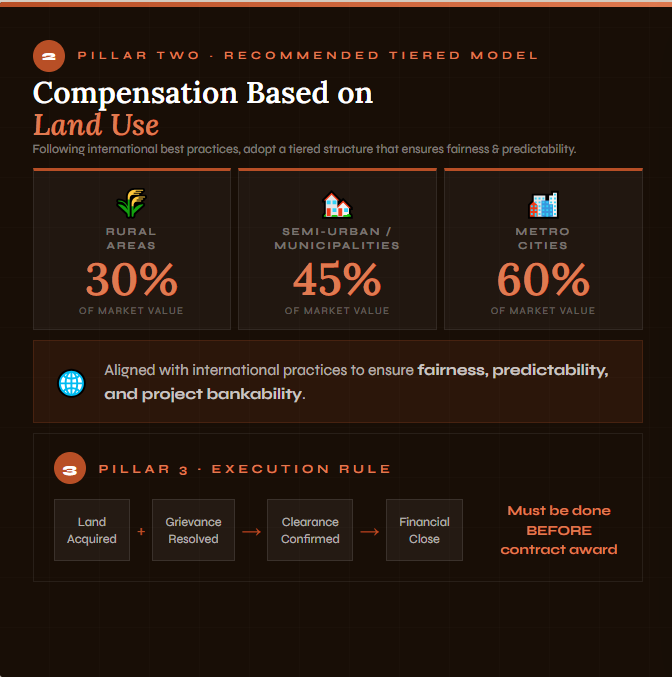
Following the presentation, stakeholders engaged in a robust discussion, with private power producers highlighting that the existing grid bottleneck resulted in NPR 2.8 billion in energy spillage in 2023, rendering many hydropower projects commercially precarious without guaranteed legal open access. Representatives from affected local communities and civil society emphasized the need for a transparent, market-reflective compensation framework, advocating for the study’s recommended tiered model (30–60% of market value) and independent valuation to rebuild trust and resolve the Right-of-Way disputes that have historically stalled critical infrastructure.
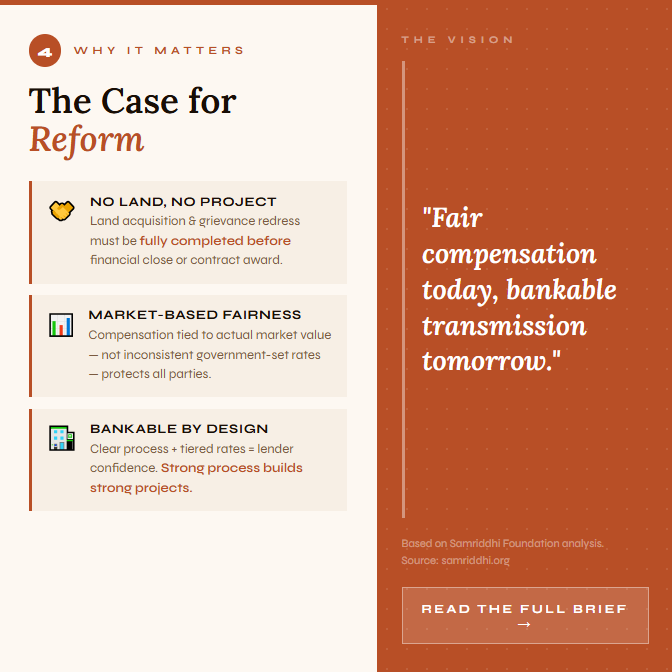
Despite general support for reform, concerns were raised regarding persistent political resistance to unbundling the NEA and the largely symbolic status of newer entities like RPGCL. Moving forward, suggestions were made to accelerate the passage of the 2023 Electricity Bill to decisively end vertical integration, while simultaneously introducing time-bound tax holidays and Viability Gap Funding (VGF) to attract the massive private capital required to bridge the NPR 57 billion annual financing gap. Finally, stakeholders underscored that to avoid further withdrawals from development partners, a legal mandate must be established requiring all land acquisition and community grievance processes to be fully completed prior to project contract awards.
INFOGRAPHICS